
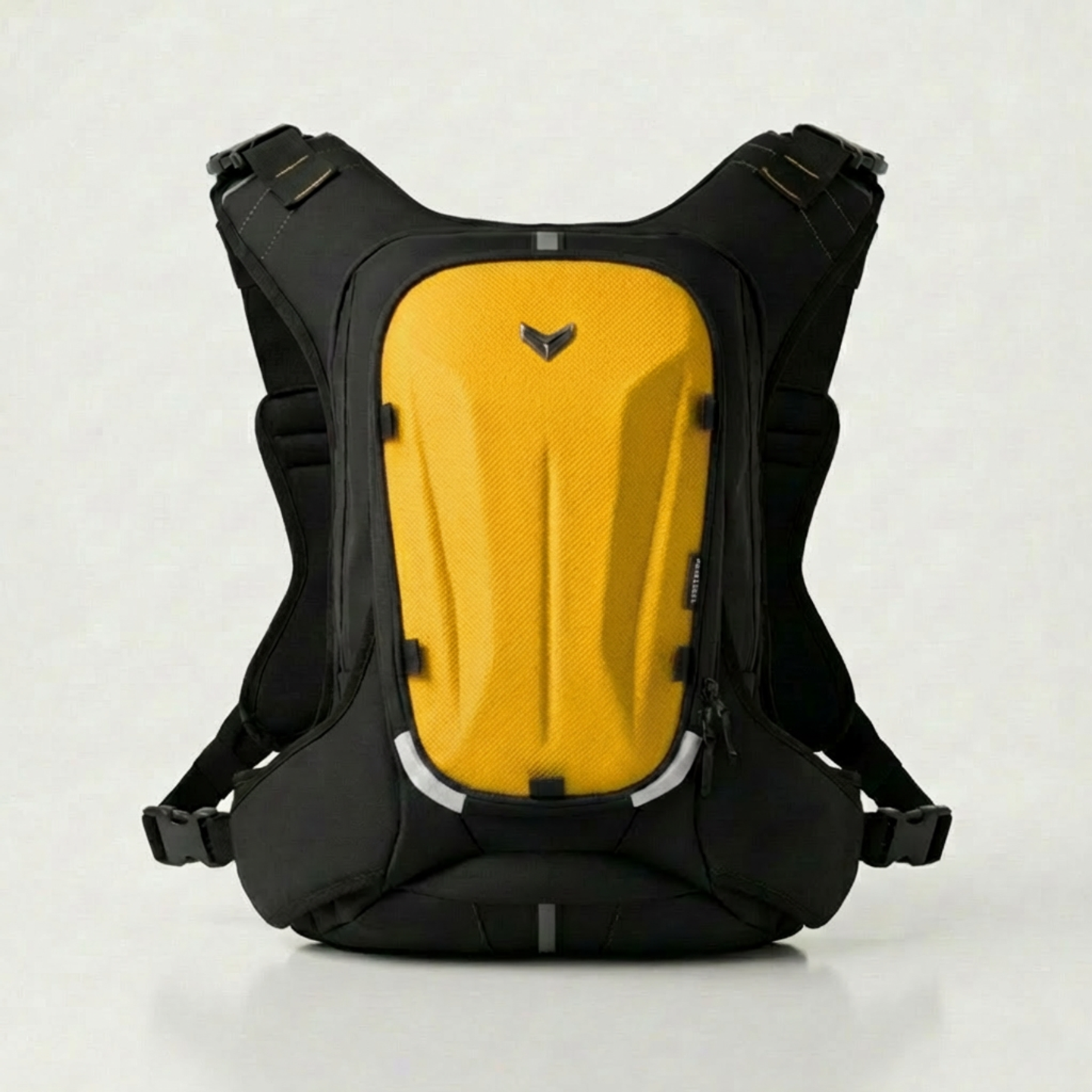
Is It Safe to Ride a Motorcycle With a Backpack? (Regular vs Riding Packs)
Ask this question in any rider forum and you'll get a hundred answers, half of them contradicting each other. So let's settle it properly. Riding a motorcycle with a backpack is safe enough for short, low-speed commutes if the bag is small, snug, and stable — but a loose, overloaded, or bouncing backpack genuinely raises your risk, and a regular backpack is a poor tool for the job. The fix isn't giving up the backpack. It's wearing the right one, the right way.
Here's what actually matters, minus the forum noise.

The short answer
Is it safe to ride a motorcycle with a backpack? For most everyday riders, yes — provided the pack is worn tight against your back with a fastened chest (sternum) strap, kept light, and sized so it doesn't sway. The real danger isn't the backpack itself; it's a bag that shifts your balance mid-corner, drags on one shoulder, or turns into a sail at highway speed. A purpose-built biker backpack removes most of that risk. A random college bag doesn't.
That paragraph is the whole article in miniature. The rest is the why, so you can make the call for your own riding.
What the risk actually is
Three things worry experienced riders, and they're worth taking seriously.
Balance and handling
A backpack sits high on your body, which raises your centre of gravity. If it slides side to side when you lean, your instinct is to counter-shift — and that can throw off your cornering line. A snug pack with a chest strap barely moves. A half-empty loose one swings like a pendulum.
Weight on your spine and shoulders
Load matters more than people think. Research in ergonomics has long flagged that pressure under the straps climbs sharply once a pack passes roughly 10–15% of your body weight. On a bike, where you're already holding a fixed posture, that fatigue shows up faster — sore shoulders, a stiff lower back, and a chafed neck by the time you park. Our backpack size guide breaks down how to match capacity to your load without overpacking.
Crash dynamics
This is the honest part most sales pages skip. In a fall, a bulky or hard-packed backpack can encourage rolling and tumbling, and a rigid object pressed against your spine is not what you want between you and the road. Nobody has clean data proving backpacks are safe or dangerous in a crash — the evidence just isn't there. What riders broadly agree on: keep it light, keep it soft, keep it small, and never let straps dangle near the chain or wheel.
None of this makes a backpack a no-go. It makes the choice of backpack the thing that matters.
Regular backpack vs proper biker backpack
This is the crux of the whole debate, and it's where most people go wrong. A regular backpack and a biker backpack look similar on a hook. On a moving motorcycle, they behave nothing alike.
| Feature | Regular backpack | Purpose-built biker backpack |
|---|---|---|
| Stays put at speed | Slides and sways; no chest strap | Sternum + waist strap lock it to your body |
| Back in the wind | Acts like a sail; buffeting and drag | Tapered, aerodynamic shape cuts wind |
| Sweaty back | Flat panel traps heat | Ventilated / mesh panel for airflow |
| Wet-weather protection | Soaks through in a shower | Water-resistant fabric, sealed or storm-flap zips |
| Load stability | Contents shift and lump to one side | Compression straps hold the load tight and centred |
| Visibility | None | Reflective panels for low light |
Read that table and the "is it safe" question mostly answers itself. Most of the danger people attribute to riding with a backpack is really the danger of riding with the wrong backpack. If you're weighing up features before you buy, our backpack buying guide covers the checklist in full.
How to wear a backpack safely on a motorcycle
If you're going to carry one — and most daily riders will — do it properly. It takes ten seconds and removes most of the risk.
- Fasten the chest strap. This single step stops the straps sliding off your shoulders and keeps the bag centred. It's the difference-maker. If your bag doesn't have one, that tells you something.
- Cinch it high and tight. The pack should sit between your shoulder blades, not sag onto your lower back. A low, loose bag pulls you around.
- Keep it light. Aim to stay under 10–15% of your body weight. Heavy items go closest to your spine, low in the bag, for a stable centre of gravity.
- Tuck every loose strap. Anything dangling can catch the rear wheel, chain, or footpeg. Roll and clip the excess.
- Skip the hard, bulky load on fast rides. Save the rigid, over-packed bag for the car. For the bike, softer and smaller is safer.
Do these five things and a backpack goes from "sketchy" to "fine for the commute."
When a backpack is fine — and when to leave it home

Fine: short city commutes, a daily office commute with a laptop and lunch, errands, a light day bag, anything under about 20–25 litres worn snug. This is 90% of real riding, and a padded laptop bag keeps your tech safe on potholed roads.
Rethink it: long highway touring with a heavy load, or anything so bulky it changes your posture. For big loads, saddlebags, a tail bag, or panniers keep the weight on the bike instead of your body. Plenty of touring riders use a small backpack and luggage, letting the bag hold only quick-access essentials like a phone, wallet, and a hydration bladder. For rugged, weather-ready carry, our outdoor & bike bags are built for it.
Match the carry to the ride, and the safety question mostly takes care of itself.
Which biker backpack should you actually get?
If the takeaway is "wear the right pack," the obvious next question is which one. Look for the non-negotiables from the table above: a sternum and waist strap, a ventilated back panel for Indian heat, water-resistant fabric for the monsoon, and reflective detailing for night rides.
That's exactly what the Vantora Life biker backpack collection is built around — packs designed for real Indian riding conditions rather than a generic bag with a moto logo stitched on. They stay locked to your back, shed a sudden shower, and keep your spine cooler than a flat-panel college bag ever will. If your commute runs long or hot, the Prime hydration backpack adds a water bladder so you're not stopping every 40 minutes in the heat, and if you ride through the wet months, our guide to waterproof backpacks for bikers is worth a read before June.
A good riding pack isn't an upgrade. On a motorcycle, it's the safety kit.
Frequently asked questions
Is it safe to wear a regular backpack on a motorcycle?
It's workable for short, slow rides if the bag is small and worn tight, but a regular backpack lacks the chest strap, aerodynamic shape, and load stability that make a purpose-built biker backpack far safer at speed. For anything beyond a quick trip, a proper riding pack is the better call.
How heavy should a motorcycle backpack be?
Keep the loaded weight under roughly 10–15% of your body weight. Beyond that, strap pressure and rider fatigue climb quickly, and the bag starts affecting your balance.
Does a backpack affect motorcycle handling?
It can. A loose or heavy pack raises your centre of gravity and shifts as you lean, which can disturb your cornering. A snug pack with a fastened sternum strap has minimal effect.
What size backpack is best for bike commuting?
For a daily commute with a laptop, lunch, and a few essentials, 20–25 litres is the sweet spot — big enough to be useful, small enough to stay stable and out of the wind.
Can I carry a laptop on a motorcycle?
Yes, in a padded "floating" laptop compartment that keeps it off the base of the bag. On bumpy roads, padding and a water-resistant shell matter more than usual.
The takeaway
So — is it safe to ride a motorcycle with a backpack? Yes, for everyday riding, as long as you wear it tight, keep it light, tuck the straps, and pick a pack made for the job. The riders who have bad experiences are almost always carrying the wrong bag, the wrong way. Choose a proper biker backpack with a chest strap, ventilation, and weather protection, ride sensibly, and a backpack becomes one of the easiest, safest ways to carry your gear on two wheels. Browse the Vantora Life biker backpack collection to start with a pack that's actually built for it.
Read more
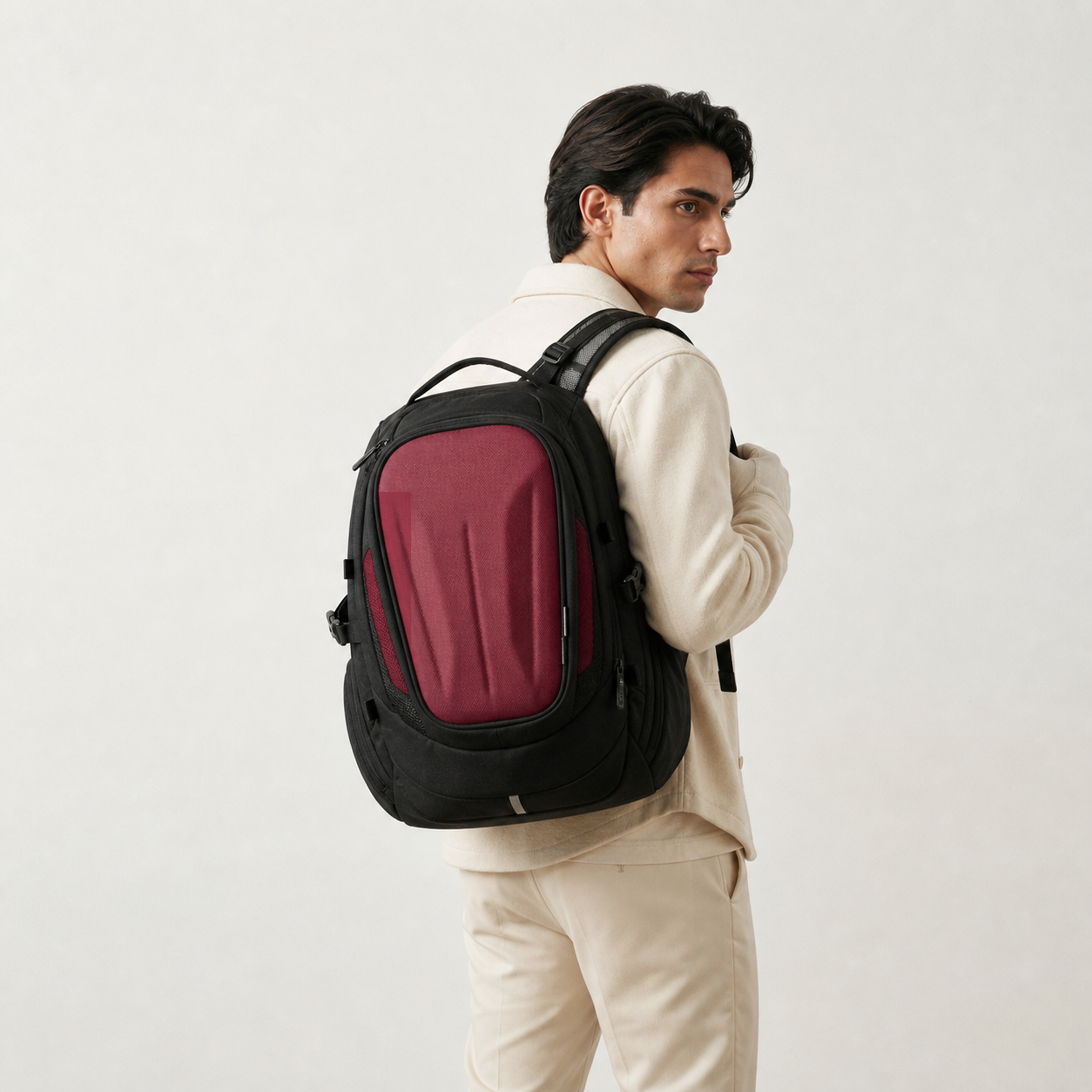
Rain on a two-wheeler is a different beast from rain on foot. Wind drives water sideways into every seam, road spray comes up from below, and a bag that shifts even an inch at 40 km/h becomes a gen...
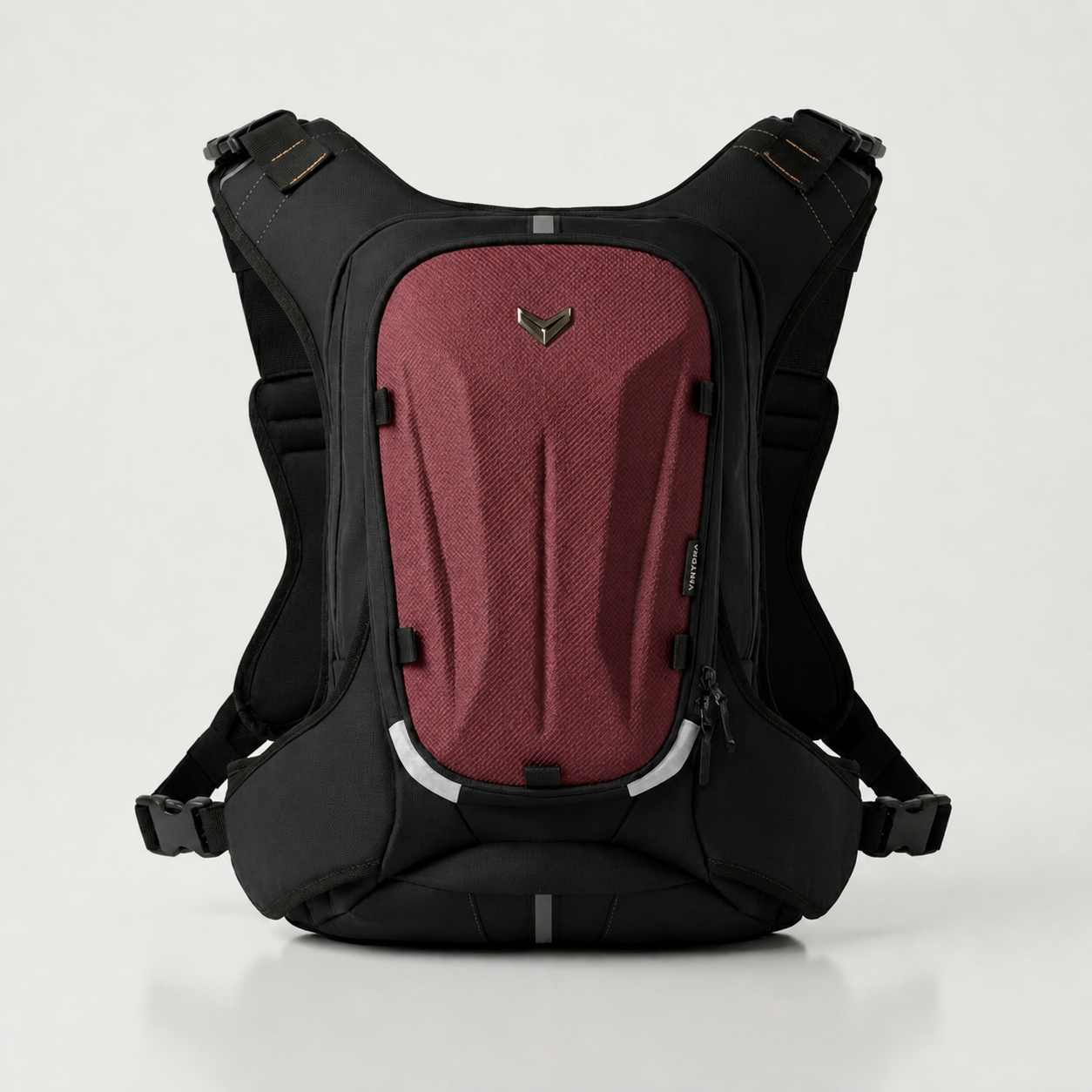
A backpack that works fine on a bus becomes a liability on a motorcycle. It slides off your shoulder in traffic, soaks through in the first monsoon shower, turns your back into a sweat patch by the...