
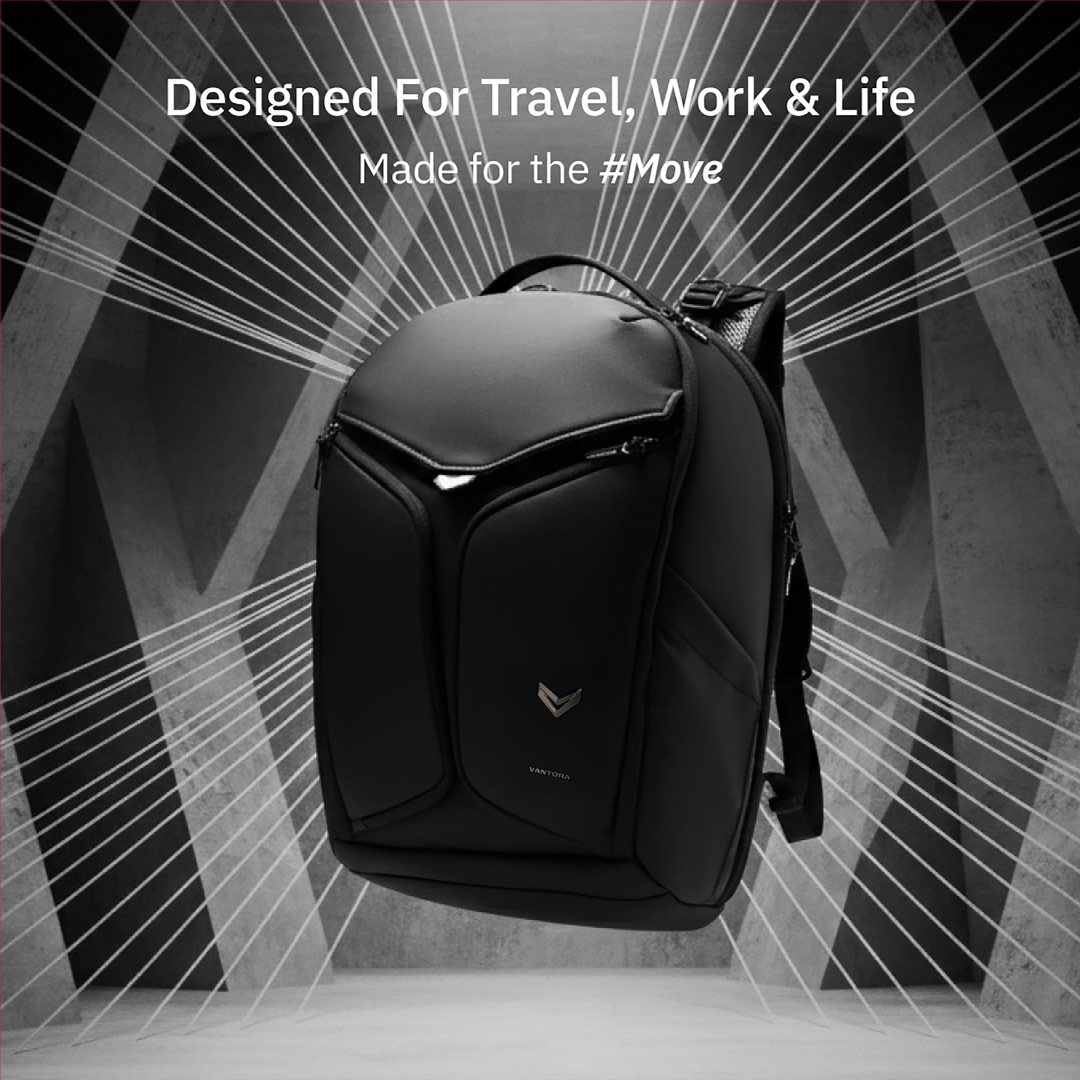
Travel Backpack vs Laptop Backpack: Which One Do You Actually Need?
You walk into a store (or scroll Amazon) and stare at two bags that look almost identical. Both have padded straps. Both fit a laptop. One is 20 litres. The other is 40. The price tag is similar. Which one is right for you?
This is the most common mix-up in the bag aisle, and it costs people money — they end up with an over-stuffed laptop pack on a 10-day trip, or a half-empty travel pack on a 30-minute commute. The travel backpack vs laptop backpack decision really does matter: the global backpack market is worth over USD 20 billion in 2025, and travel backpacks alone account for nearly 47% of that volume. A lot of buyers are getting it wrong.
Here's the short answer, then the full breakdown — capacity, comfort, airline rules, and which one fits your actual life.
The quick difference: A laptop backpack is a compact 15–25L pack built around a padded laptop sleeve, designed for daily commuting and short office days. A travel backpack is a larger 30–45L clamshell pack designed to replace a suitcase for one-bag travel, with a laptop sleeve as a feature rather than the main purpose. Pick by primary use case, not by which bag can technically hold the other thing.
What Is a Laptop Backpack?

A laptop backpack is built around your laptop. Everything else is secondary. The pack itself usually sits in the 15–25 litre range, has a slim profile, and centres on a padded sleeve sized for a specific screen — 13", 15", 16", or 17". Open one up and you'll find an admin panel for cables, a tablet sleeve, RFID-blocking pockets for cards and passports, and (on better packs) a trolley pass-through sleeve so it slides onto a roller suitcase handle.
The protection part is what separates a real laptop backpack from a generic daypack with a sleeve thrown in. The best ones use a suspended laptop sleeve that floats about an inch above the bag's bottom — so when you set the bag down on a coffee shop floor, your laptop doesn't take the impact.
Key features to look for in a laptop backpack
• A suspended, padded laptop sleeve sized to your device
• A tech-organised admin panel for cables, dongles, and pens
• A trolley pass-through sleeve for airport days
• A slim, professional silhouette that works in a meeting
If your daily carry is mostly laptop + charger + a few small items, this is the form factor you want. We've broken down the best backpack for laptop and office use if you want a deeper buying guide.
What Is a Travel Backpack?

A travel backpack is built around your trip. Capacity is the headline: most sit between 30 and 45 litres, which is roughly the equivalent of a small carry-on suitcase. They open clamshell-style — like a suitcase — so you can pack cubes flat instead of digging top-down through a single compartment.
This category is the biggest segment of the entire backpack market. According to Fortune Business Insights, travel backpacks represent 46.5% of the global backpack market in 2026, driven by a steady rise in tourism, remote work, and one-bag travel.
A laptop sleeve is usually included, but it's a feature — not the design's reason for existing. You're carrying clothes, toiletries, a packing cube or two, maybe shoes, and the laptop rides along.
Key features to look for in a travel backpack
• A full clamshell main compartment that opens like a suitcase
• Compression straps and a packing-cube-friendly layout
• A padded hip belt and load-lifters for long carries
• Stowable shoulder straps so the bag can be checked without snagging
Travel Backpack vs Laptop Backpack — Side-by-Side Comparison
The fastest way to see the difference is to put them next to each other on the dimensions that actually drive the buying decision:
|
Feature |
Laptop Backpack |
Travel Backpack |
|
Typical capacity |
15–25 L |
30–45 L |
|
Best use case |
Daily commute, office, short business trip |
Multi-day travel, one-bag trips, carry-on flying |
|
Laptop protection |
High (suspended, padded sleeve) |
Moderate (basic padded sleeve) |
|
Comfort over long carries |
Good for short walks, no hip belt |
Excellent — hip belt + load-lifters spread weight |
|
Airline carry-on fit |
Always fits as personal item |
Carry-on at 35–40L; check airline limits |
|
Professional appearance |
Sleek and office-appropriate |
Casual / outdoorsy |
|
Average empty weight |
0.8–1.4 kg |
1.5–2.5 kg |
|
Typical price range |
₹3,000–12,000 |
₹6,000–25,000 |
Comfort is the row people underestimate. Once a load goes past about 7 kg, shoulder-only carry stops being comfortable. A King Saud University ergonomics study found that loads above 10–15% of body weight noticeably increase muscle fatigue and shift strain to the abdominal obliques — which is exactly why travel backpacks have hip belts and laptop backpacks don't need them.
Which One Should You Buy?
The honest answer depends on how often you travel, how far you commute, and whether you need one bag or two.
Daily commuters and office workers
Get a laptop backpack. A 20-litre pack is enough for a 15" laptop, charger, water bottle, lunch, and a notebook. It looks right in a meeting, slides under an airline seat as a personal item, and won't kill your shoulders on a 20-minute walk. If weight is a concern — and it should be for daily carry — see our guide to lightweight backpacks for daily use.
Weekend and short-trip travelers
Either works, but the sweet spot is a hybrid 25–30L pack with a real padded laptop sleeve. You get carry-on capability without the bulk of a full 45L expedition pack.
Long-trip travelers and digital nomads
Travel backpack, no question. Anything over five days realistically needs 35L+. The remote-work boom has reshaped this category — search demand for "anti-theft laptop backpack" is up sharply year over year, while generic school-backpack searches have fallen by around 40%, according to industry trend reports. Manufacturers have responded with hybrid travel packs that include USB ports, RFID pockets, and dedicated 16" laptop sleeves.
Frequent flyers
Look at the dimensions, not just the litres. Most international economy carry-on limits are around 45 × 35 × 20 cm. A 35–40L travel backpack typically fits; a 45L+ pack often won't unless it's compression-strapped down. Laptop backpacks always qualify as a personal item.
Can one backpack do both?
Yes — if you pick a 25–30L hybrid with a dedicated padded laptop sleeve. The trade-off is honest: it's slightly bulkier than a pure laptop pack and slightly less spacious than a full travel pack. For a lot of buyers, that's a fair price for owning one bag instead of two.
The Takeaway
Laptop backpacks are built around your laptop. Travel backpacks are built around your trip. Both can technically do the other thing — but they each do their main job dramatically better than the alternative. Commuting daily? Get a laptop backpack. Travelling more than three days? Get a travel backpack. Want one bag for both? A 25–30L hybrid with a real padded sleeve is the answer.
Browse our full range of travel and commuter backpacks, or if you mostly carry a laptop and a few essentials, our laptop bags collection is the better starting point.
Frequently Asked Questions
Can I use a travel backpack as a laptop backpack?
Yes, if it has a padded laptop sleeve — but the larger size makes it bulky for a daily commute. It's best for hybrid use rather than pure office days.
Is a laptop backpack good for travel?
For 1–3 day trips, absolutely. For longer trips you'll run out of space — a 20L pack can't realistically hold a week's clothes plus toiletries.
What size backpack is best for travel with a laptop?
30–40L is the sweet spot for one-ag travel with a 15–16" laptop. Under 25L only works for very short trips or minimalist packers.
Are travel backpacks allowed as carry-on?
Most 35–45L travel backpacks fit standard international carry-on limits (around 45 × 35 × 20 cm). Always verify your specific airline's rules before flying.
Do travel backpacks have laptop compartments?
Most modern travel backpacks include a padded laptop sleeve, but protection varies. Pure laptop backpacks still offer better impact protection thanks to their suspended-sleeve construction.
Travel backpack vs laptop backpack — which is more comfortable?
Travel backpacks win on long carries because of the hip belt and load-lifters. Laptop backpacks are more comfortable for short, daily carries under about 7 kg.
Read more

Choosing the right backpack isn’t just about style—it directly affects your comfort, productivity, and daily convenience. Whether you’re commuting to work, traveling, or carrying essentials every d...
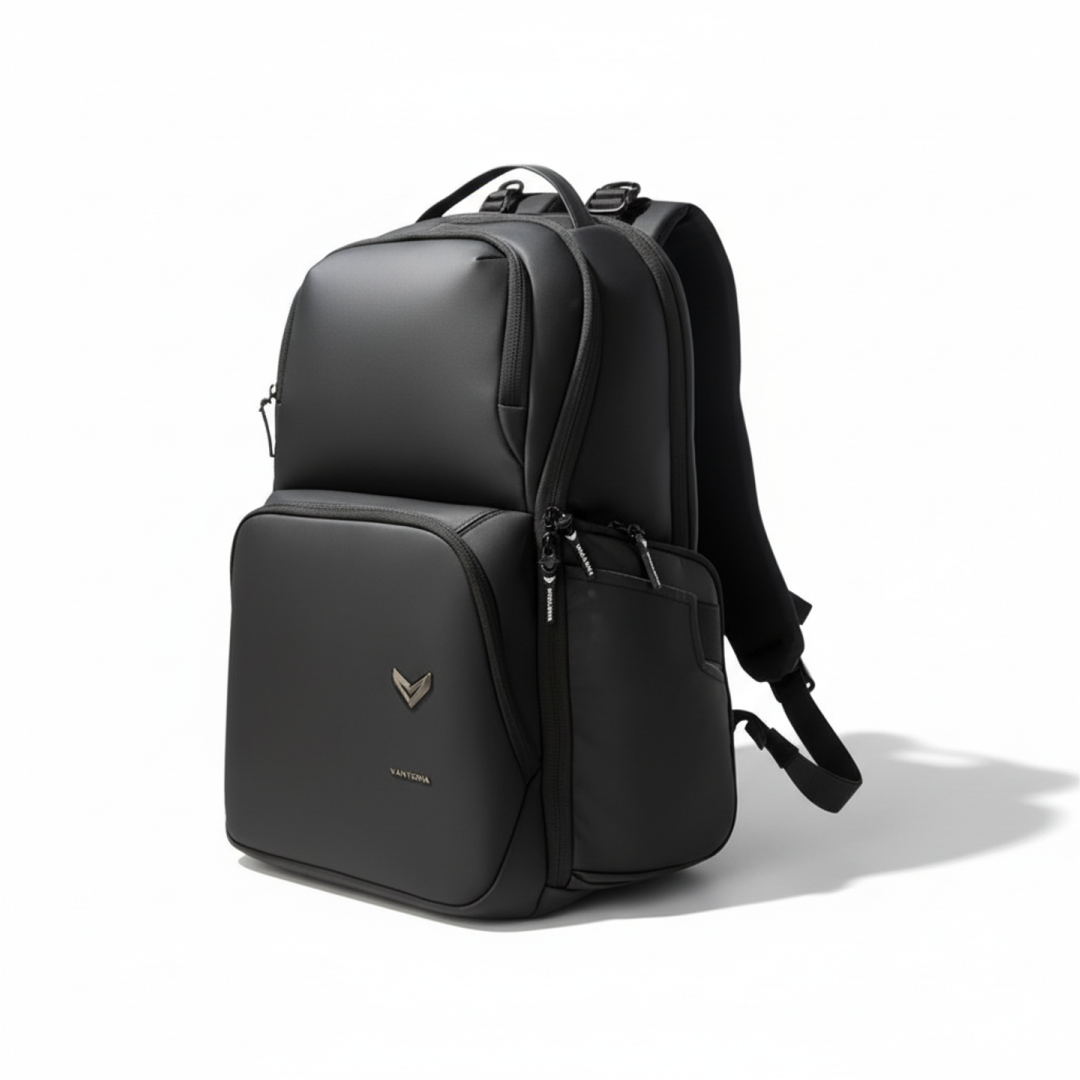
A loaded backpack will sit on your shoulders for roughly 6 hours a day, 5 days a week, for 4 years. That's about 4,800 hours. Pick the wrong one and your spine will let you know — Boston University...