
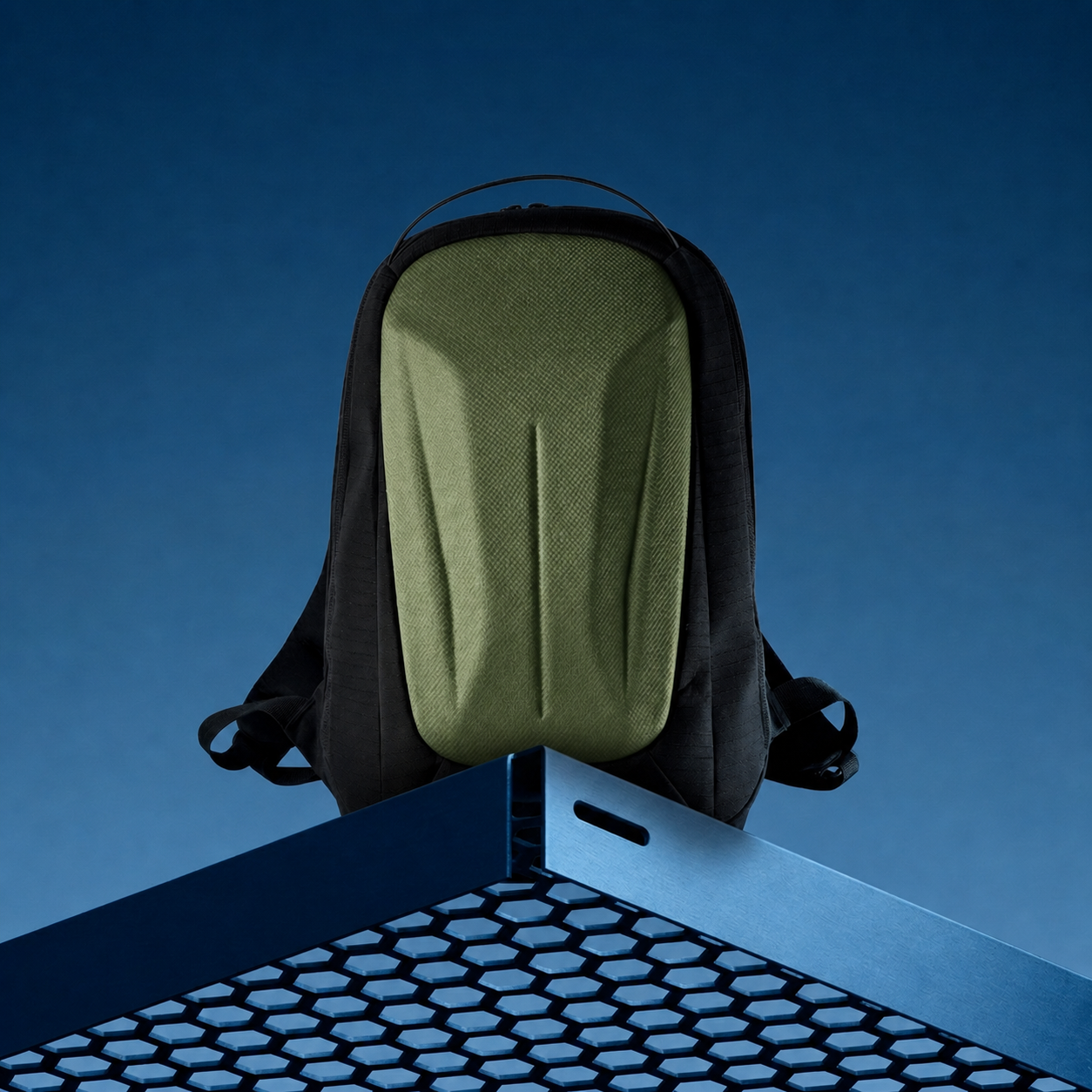
Best Water Resistant Backpacks: Complete Guide for Everyday Use
⤷ Quick answer: The best water resistant backpacks combine a tightly woven coated fabric (usually nylon or polyester with a DWR finish), water resistant or sealed zippers, and a padded laptop compartment that keeps electronics dry through rain, spills, and damp commutes. They repel moisture in light to moderate conditions but aren't built for full submersion.
Rain has a way of finding the one bag you didn't waterproof. A surprise downpour on the walk from the train, a leaky water bottle, a coffee spill on a crowded bus — moisture is the quiet enemy of everything you carry, especially the expensive electronics. That's why a water resistant backpack has shifted from a nice-to-have into a daily essential for commuters, students, and travelers alike.

This guide breaks down what water resistance means, the features that matter, how to match a bag to your lifestyle, and the mistakes that cost people a soggy laptop. By the end, you'll know exactly how to choose the best water resistant backpack for how you actually live.
Key Takeaways
-
Water resistant ≠ waterproof. Water resistant backpacks handle rain and splashes; waterproof bags survive submersion. Most people need the former.
-
Material does the heavy lifting. Look for coated nylon or polyester with a high denier count and a DWR (durable water repellent) finish.
-
Zippers are the weak point. Sealed, coated, or storm-flap-covered zippers stop water from sneaking through the seams.
-
Protect the laptop separately. A padded, slightly elevated sleeve adds a second line of defense even if the outer shell gets wet.
-
Match capacity to your day. 15–22L for commuting, 25–35L for travel. Oversizing leads to a heavy, half-empty bag.
-
Reapply DWR over time. Water resistance fades with wear and washing; a spray-on treatment restores it.
What Is a Water Resistant Backpack?

⤷ Quick answer: A water resistant backpack is a bag built with treated fabrics, protective coatings, and design features that repel water and resist moisture penetration in light to moderate conditions. It keeps your belongings dry during rain, snow, or accidental spills, but it isn't rated to stay sealed when fully submerged.
Think of it as the difference between a raincoat and a wetsuit. One keeps the weather off you during a normal day outside; the other is built for total immersion. A water resistant backpack is just one of many types of backpacks on the market, and for the vast majority of people — office workers, students, weekend travelers — this level of protection covers nearly every real-world situation they'll face.
Water Resistant vs Waterproof Backpacks
This is the single biggest point of confusion, and brands rarely make it clear. The two terms describe very different levels of protection, and buying the wrong one means either overpaying or under-protecting.
|
Factor |
Water Resistant Backpack |
Waterproof Backpack |
|---|---|---|
|
Protection level |
Repels rain, light splashes, spills |
Survives full submersion or heavy downpours |
|
Fabric & sealing |
Coated nylon/polyester with DWR finish |
Welded seams, roll-top, TPU-laminated fabric |
|
Zippers |
Standard, coated, or storm-flap-covered |
Fully sealed or no zippers at all |
|
Best for |
Commuting, travel, daily carry, students |
Kayaking, hiking in storms, watersports |
|
Comfort & style |
Lightweight, everyday-friendly |
Bulkier, stiffer, less city-appropriate |
|
Price |
More affordable |
Premium |
For everyday use, water resistance hits the sweet spot. A waterproof roll-top bag will keep your gear bone dry in a kayak, but it's overkill — and frankly uncomfortable — for a morning commute. Most experts recommend a water resistant bag for daily life and a dedicated waterproof bag only if you regularly face extreme wet conditions.
How Water Resistance Works
Water resistance isn't one feature. It's the result of three things working together: the fabric, the zippers, and the construction.
Fabric coatings are the foundation. Manufacturers apply a DWR (durable water repellent) treatment to the outside of the fabric so water beads up and rolls off instead of soaking in. Underneath, many bags add a polyurethane (PU) or TPU coating on the inside surface to block moisture from passing through the weave. Higher-denier fabrics — 600D, 900D, or 1680D ballistic nylon — pack the threads tighter, leaving less room for water to penetrate.
Zippers are where most “water resistant” bags actually fail. Water finds the seams. Better backpacks use coated or laminated zippers, and many add a storm flap — a strip of fabric that folds over the zipper line to deflect rain before it ever reaches the teeth.
Construction methods finish the job. Reinforced or taped seams, raised bottom panels that keep the base off wet ground, and minimal exposed stitching all reduce the points where water can sneak in. The best designs treat water resistance as a system, not a single coating.
Why Water Resistant Backpacks Are Becoming Essential
⤷ Quick answer: Water resistant backpacks have become essential because most people now carry valuable electronics every day, commute through unpredictable weather, and want one durable bag that handles work, travel, and everything in between. A single rainy commute can ruin a laptop, making moisture protection a practical necessity rather than a luxury.
The way we carry our lives has changed. A decade ago a backpack held books and a lunch. Today it holds a laptop, a tablet, a phone, earbuds, a charger, and sometimes a camera — easily a few thousand dollars of gear riding on your shoulders through whatever the weather throws at you.
Protection for Electronics
This is the headline benefit. Laptops are the most vulnerable item most people carry, and water damage often isn't covered the way you'd hope. A water resistant shell plus a padded internal sleeve — the kind found in a purpose-built laptop bag — gives your machine two layers of defense.
The same logic protects tablets, which slide into the same sleeves, and cameras, where moisture can fog lenses and corrode sensitive internals. If you carry electronics daily, the cost of a good water resistant backpack is a fraction of replacing one ruined device.
Daily Commuting Benefits
For office workers, the morning commute is a gauntlet of weather you can't control. A reliable bag means you arrive with a dry laptop and dry presentation notes, not a damp mess.
Students haul textbooks, notebooks, and devices between classes, often on foot across campus. Wet notes the night before an exam are a special kind of misery a water resistant bag prevents.
Urban commuters deal with crowded buses and trains where spills, leaks, and brushing against wet surfaces are constant. A bag that shrugs off moisture keeps the daily grind from becoming a daily gamble.
Travel and Outdoor Advantages
Travel multiplies the risk. On a weekend trip, your bag goes from airport floors to taxi trunks to cobblestone streets — surfaces that are often wet and always unpredictable. A water resistant backpack protects your gear across every leg of the journey.
Then there's the unexpected weather that no forecast catches. A clear morning turns into an afternoon storm, and the difference between a ruined day and a minor inconvenience is whether your bag keeps the water out.
Key Features to Look for in the Best Water Resistant Backpacks
⤷ Quick answer: The best water resistant backpacks share five core features: durable coated fabric, sealed or covered zippers, a protective laptop compartment, comfortable ergonomic support, and the right storage capacity for your needs. Prioritizing these over looks alone is what separates a bag that lasts years from one that fails in the first storm.
Durable Water Resistant Materials
Material is where water resistance lives or dies. Three options dominate the market.
Polyester is lightweight, affordable, and holds color and DWR coatings well, making it the most common choice for everyday bags. Nylon is stronger and more abrasion-resistant for its weight, which is why higher-end and travel-focused bags lean on it — ballistic and ripstop nylon in particular. Coated fabrics of either type add a PU or TPU layer that dramatically improves moisture resistance.
When comparing bags, check the denier rating. Here's a quick reference:
|
Denier (D) |
Typical Use |
Trade-off |
|---|---|---|
|
210D–420D |
Lightweight daypacks, packable bags |
Less durable, lighter weight |
|
600D |
Everyday commuter and laptop bags |
Balanced durability and weight |
|
900D–1000D |
Heavy-duty travel and work bags |
More rugged, slightly heavier |
|
1680D ballistic |
Premium, high-abrasion travel packs |
Toughest, heaviest, priciest |
Water Resistant Zippers
A bag is only as water resistant as its weakest opening. Sealed zipper systems — coated or laminated — close the gap where most water gets in. They cost more, but on a bag carrying a laptop, the upgrade is worth it.
Where full sealing isn't used, storm flaps do the work: a fabric overlap that channels rain away from the zipper line. Look for one on the main compartment and ideally over the laptop section too.
Laptop Protection Compartments
A dedicated padded sleeve is non-negotiable for anyone carrying a laptop. The padding cushions against drops, and the separate compartment adds insulation from outside moisture. The best designs suspend the sleeve slightly off the bottom of the bag, so if you set it down in a puddle, your laptop isn't sitting at the lowest point.
Secure storage matters too — a sleeve with a strap or a snug fit keeps the device from sliding around, which protects both the screen and the corners over years of daily use.
Comfort and Ergonomics
Water resistance means nothing if the bag hurts to carry. Shoulder straps should be padded and contoured, wide enough to spread the load without digging in. Back padding with airflow channels keeps your back from overheating on a warm commute. And weight distribution — a structured panel that holds the load close to your spine — is what lets you carry a full bag all day without strain.
A comfortable bag is one you'll actually use. An uncomfortable one ends up abandoned in a closet, no matter how water resistant it is.
Storage Capacity
Capacity is measured in liters, and matching it to your routine prevents both overstuffing and dead weight.
|
Capacity |
Best For |
Carries |
|---|---|---|
|
15–22L |
Daily commute, students |
Laptop, notebook, lunch, essentials |
|
22–30L |
Hybrid work, light travel |
Laptop, change of clothes, accessories |
|
30–40L |
Weekend trips, frequent travel |
Clothing for 2–3 days, electronics, shoes |
Look beyond the headline number, too. Smart internal organization — pockets for cables, a quick-access top pocket, a separate shoe or wet-item compartment — often matters more than raw volume.
How to Choose the Right Water Resistant Backpack for Your Lifestyle
⤷ Quick answer: Choose a water resistant backpack by matching its capacity, organization, and durability to how you actually use it. Commuters need compact laptop protection, students need rugged capacity, frequent travelers need larger organized space, and hybrid workers need a versatile bag that transitions from office to weekend without missing a beat.
For Daily Commuters
Prioritize a slim 15–22L profile with a protected laptop sleeve, a storm-flapped main zipper, and quick-access pockets for your phone, transit card, and keys. If you cycle to work, a biker backpack with a secure fit and reflective details is worth a look. For more on dialing in the daily carry, our guide to the best backpack for office commute walks through it in detail. Comfort on a packed train — or a fast ride — is the deciding factor here.
For Students
Durability and capacity lead. Students throw their bags around — dropped on floors, stuffed into lockers, crammed under desks — so a higher-denier fabric and reinforced seams pay off. Aim for 20–30L with room for textbooks, a laptop, and a water bottle, plus enough organization to keep notes from becoming a crumpled pile.
For Frequent Travelers
Look for 30–40L, a clamshell or wide opening for easy packing, and water resistant zippers across the board. A separate compartment for damp items, luggage pass-through straps for rolling carry-ons, and compression to keep the load stable all make travel smoother. A dedicated backpack for airport travel is built around exactly these needs — this is the user who benefits most from premium materials.
For Hybrid Work and Lifestyle Users
The hardest bag to get right, because it has to do everything. You want something that carries a laptop to the office Monday, handles a grocery run Tuesday, and works for an overnight trip Friday. A 22–30L bag with flexible organization, a refined design, and dependable water resistance covers all of it. If you're torn between a work-focused and a trip-focused bag, our breakdown of a travel backpack vs a laptop backpack can help you decide. Versatility is the whole point.
Common Mistakes People Make When Buying a Backpack
⤷ Quick answer: Most backpack regrets trace back to three mistakes: choosing a bag for how it looks instead of how it performs, ignoring the material and build quality, and picking the wrong size. Avoiding these three errors gets you most of the way to a bag you'll be happy with for years.
Prioritizing Looks Over Function
A beautiful bag that lets rain seep into your laptop sleeve is a failed bag. Aesthetics matter — you'll carry it every day — but they should come after the fabric, the zippers, and the protection. The good news: thoughtfully designed bags prove you don't have to choose between the two.
Ignoring Material Quality
It's easy to skim past the spec sheet, but the fabric, denier, coating, and zipper quality are exactly what determine whether a bag survives. A cheap “water resistant” label on thin, uncoated fabric is marketing, not protection. Check what the bag is actually made of before you trust it with your gear.
Choosing the Wrong Capacity
Too small and you're cramming and straining the zippers; too big and you're hauling a half-empty bag that sags and throws off your posture. Be honest about what you carry on a normal day, then add a little headroom — not a lot. The right capacity is the one that fits your real life, not your aspirational one.
Why Modern Consumers Prefer Thoughtfully Designed Backpacks
⤷ Quick answer: Buyers today expect a backpack to do more than hold their stuff. They want one bag that protects their devices, looks at home in a meeting and on a weekend, lasts for years, and reflects how they actually live. That shift toward thoughtful, multi-purpose design is reshaping what a “good” backpack means.
Functionality Meets Style
The old trade-off — rugged but ugly, or sleek but flimsy — is fading. Modern bags integrate water resistance, smart organization, and durable materials into designs that look just as appropriate in a boardroom as on a train platform. People no longer accept choosing one or the other.
Sustainability and Durability Trends
There's a clear move away from disposable gear. A bag built to last several years — with quality fabric, repairable hardware, and sometimes recycled materials — costs less over its lifetime and creates less waste than replacing a cheap bag every season. Durability has become part of the value, not just a bonus.
Everyday Versatility
The most-loved bags are the ones that quietly handle whatever the day brings. Commute, gym, errands, an unplanned overnight — a single versatile, water resistant backpack replaces the cluttered closet of single-purpose bags.
This is the space where brands like Vantora Life have focused their design philosophy — building their water resistant backpacks around practical organization, durable everyday materials, and a clean modern look that fits real routines. Rather than chasing a single niche, the approach centers on the versatile, day-to-day carry most people actually need: protection for a laptop, sensible storage, and comfort that holds up over a long day.
Frequently Asked Questions
Are water resistant backpacks waterproof?
No. Water resistant backpacks repel rain, light splashes, and spills, but they are not built to survive full submersion or sustained heavy downpours. Waterproof bags use welded seams and sealed closures for total immersion. For everyday commuting and travel, water resistance is enough; choose waterproof only for watersports or extreme conditions.
Can a water resistant backpack protect a laptop?
Yes. A quality water resistant backpack with a padded, slightly elevated laptop sleeve protects your device from rain, spills, and damp surfaces in normal conditions. For the best protection, pick a bag with sealed or storm-flap-covered zippers over the laptop compartment. In a heavy, prolonged downpour, add a separate sleeve or rain cover for extra peace of mind.
How long does water resistance last?
Water resistance fades gradually with use, friction, and washing as the DWR coating wears down — typically noticeable after one to two years of regular use, though it varies by fabric and care. The good news is you can restore it. A spray-on or wash-in DWR treatment re-coats the fabric and brings back the water-beading effect.
What material is best for water resistance?
Coated nylon and coated polyester are the top choices. Nylon offers superior strength and abrasion resistance, while polyester is lighter and more affordable. Both perform best with a DWR finish and an inner PU or TPU coating. A higher denier rating (600D and up) adds durability and tighter weave, improving overall moisture resistance.
Are water resistant backpacks suitable for travel?
Absolutely. Water resistant backpacks are ideal for travel because they protect electronics and clothing across unpredictable conditions — airport floors, taxi trunks, sudden rain — while staying lighter and more comfortable than bulky waterproof packs. For trips, look for larger capacity (30–40L), water resistant zippers, and organized compartments to keep gear secure and dry on the move.
The Takeaway
Choosing the best water resistant backpack comes down to matching real protection to your real life: durable coated fabric, sealed or covered zippers, a safe spot for your laptop, comfort that lasts all day, and capacity that fits your routine. Skip the bags that lead with looks and thin promises, and you'll land on one that keeps your gear dry for years.
Start by listing what you carry on a typical day and where you carry it. That single habit tells you the capacity, the organization, and the level of water resistance you need — and turns a confusing buying decision into a simple one.
Ready to find your match? Explore the Vantora Life backpack collection to see how thoughtful design, everyday durability, and dependable water resistance come together in bags built for work, travel, and daily life. Find the one that fits how you actually move through your day.
Read more
Picture this. You're three stops into a packed Chennai metro ride, your laptop bag sliding off one shoulder, and a sudden downpour just rolled in outside the platform. The bag's strap is digging in...
Carrying your essentials on a motorcycle sounds simple until you’ve done it for a few hundred kilometres. Phone, wallet, documents, a spare layer — it all has to go somewhere, and for most riders t...